Introduction:
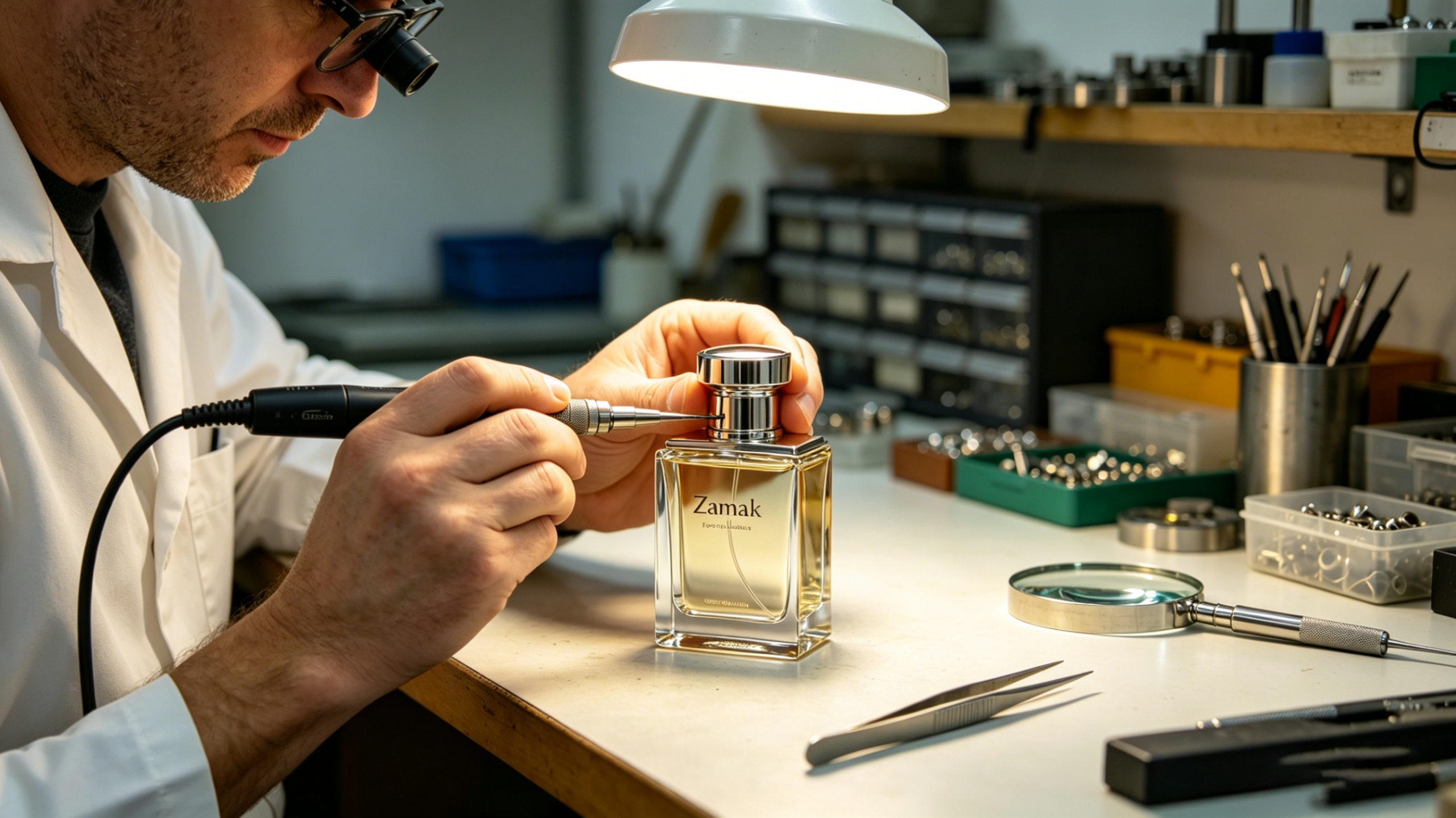
Zamak perfume caps stand out for their fine texture, engraved craftsmanship and long-lasting durability. Scratches, plating peeling, thread wear and seal damage still happen easily in daily use or transit. Combining material characteristics and production standards, this article shares professional repair steps, quick temporary fixes, reliable replacement options and practical inspection tips. It helps brand operators and packaging buyers make safe, compliant and cost-effective choices.
I. Common Types of Damage to Zamak Perfume Caps
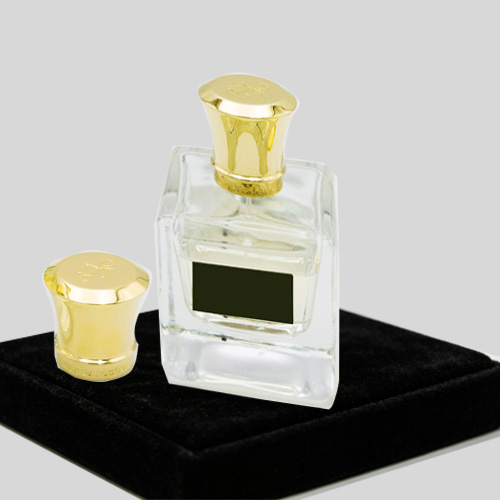
Surface Damage: Scratches and impacts causing damage to the plating or coating.
Plating Peeling or Oxidation: Poor plating or chemical corrosion causing aesthetic problems.
Thread Wear or Deformation: Affects tightening and sealing performance.
Gasket/Seal Aging: Silicone or rubber gasket failure leading to leakage.
Structural Cracks: Metal fatigue cracks caused by stress or dropping (rare but serious).
II. Determining Repairability
Aesthetic Defects (Surface Scratches, Minor Plating Peeling): Usually repairable or surface refurbishment is possible.
Functional Damage (Threads, Seals, Structural Cracks): Requires careful evaluation, as it affects sealing and safety. Users often choose to replace the component or the entire cap.
Fragrance/Alcohol Contact Products: Any repair materials must undergo odor migration and chemical compatibility testing to avoid affecting product quality or regulatory compliance.
III. Professional Repair Process
Applicable to Brand and Batch Repairs
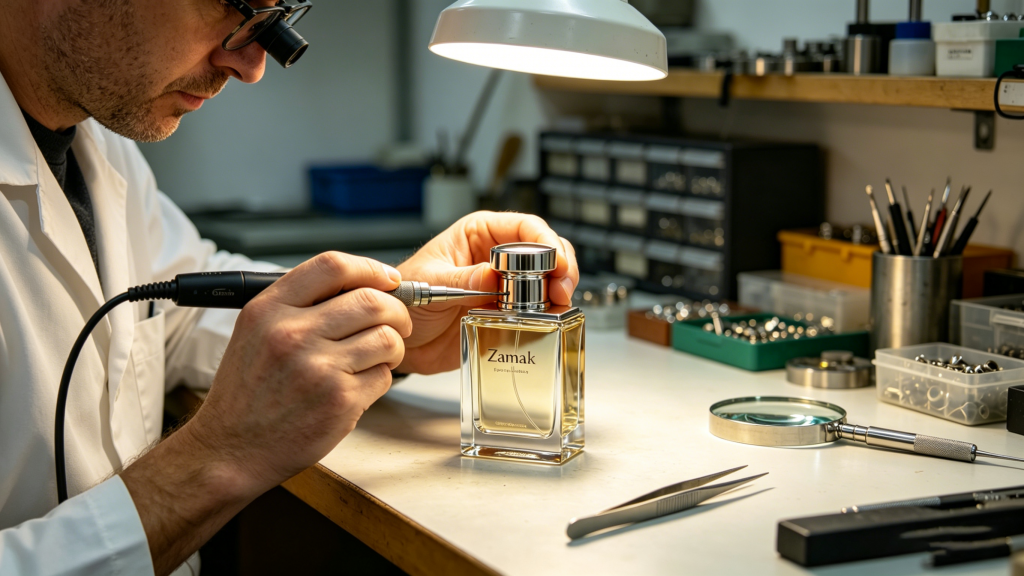
Inspection and Classification:Classify all damage into three categories: parts suitable for refurbishment, parts needing gasket replacement, and parts requiring full component replacement. Record batch numbers and potential damage causes such as transportation impact, assembly errors and plating defects.
Surface Treatment:Fix minor scratches with micro-polishing and surface filler, then refresh the finish via electroplating or spray coating that perfectly matches the original process.
Plating Repair:Clean peeling surfaces thoroughly, then apply local nickel or chrome plating, or full replating. Keep strict control over plating thickness and color consistency during replating work.
Thread Repair or Replacement:Fix slight thread deformation with a tap tool; directly replace inner or outer caps when threads suffer severe wear.
Gasket Replacement:Fit new gaskets made of food-grade or cosmetic-grade silicone and PTFE material, then conduct pressure sealing tests after installation.
Strength and Corrosion Resistance Testing:Run accelerated aging, vibration and chemical corrosion tests on repaired caps to guarantee long-term service reliability.
Records and Traceability:Keep full inspection reports, Material Safety Data Sheets (MSDS) and supplier qualification documents to satisfy compliance and quality assurance standards.
IV. Temporary Emergency Solutions
For short-term use only, non-human contact, or situations requiring testing
Surface Scratches: Locally polish with solvent-free polishing compound; avoid damaging the coating to the substrate.
Local Seal Failure: For short-term issues, replace the gasket or use food-grade/cosmetic-grade sealant (small-scale odor/migration testing required first).
Loose Threads: Secure with chemical-resistant, odor-free engineering tape or short-term fixative (only for transportation or short-term storage).
Note: Temporary solutions are for emergency use only; for long-term or consumer-facing products, replacement or professional refurbishment should be prioritized.
V. When Should Direct Replacement Be Required
Structural cracks, severe thread damage, or significant plating peeling; Failure to pass sealing/odor migration/aging tests after repair; For high-end consumer products (fragrances, spirits), to maintain brand image and regulatory compliance, replacement with a new cap or use upgraded materials should be prioritized.
VI. Long-Term Replacement and Improvement Recommendations
Optimize Materials and Processes: Selecting high-quality Zamak alloy and improving casting/polishing and electroplating processes can reduce failure rates.
Use High-Performance Gaskets: Select silicone/PTFE based on application and conduct compatibility testing with fragrance ingredients.
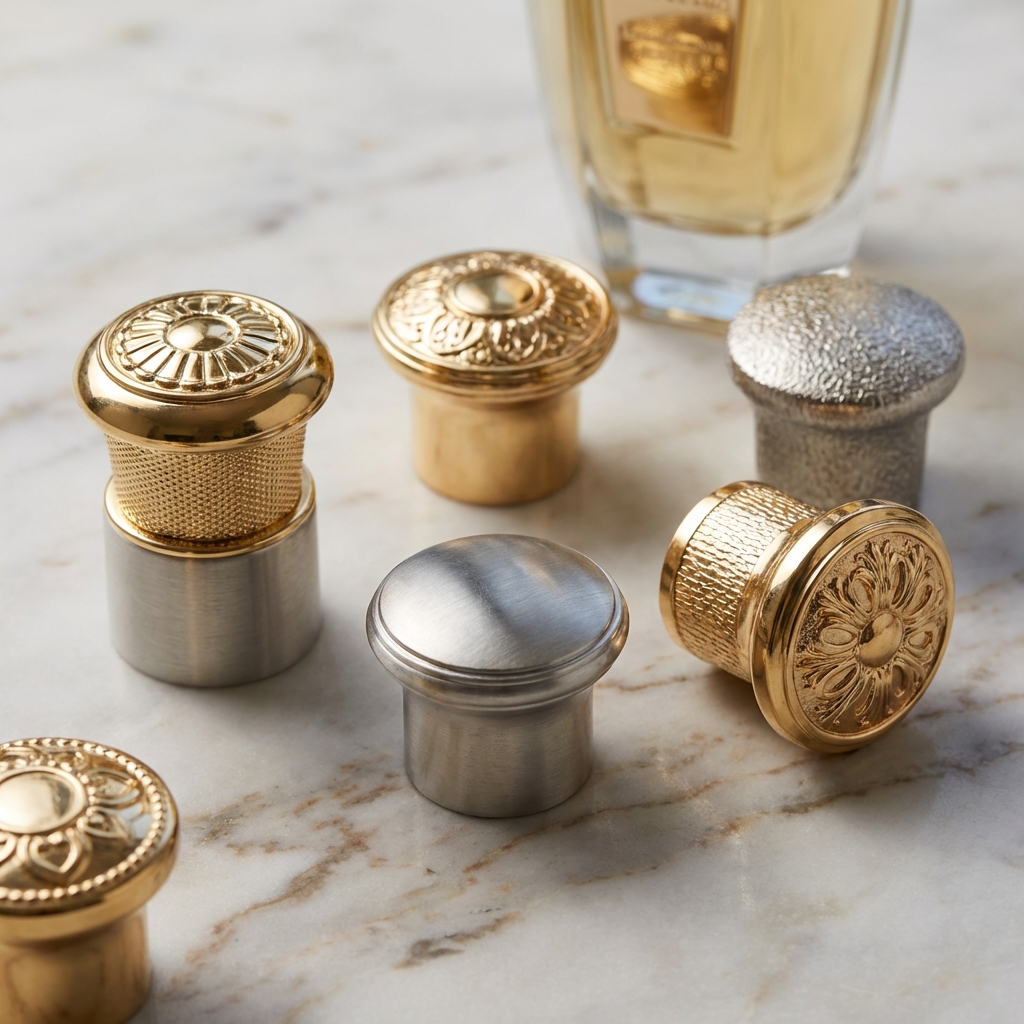
Custom Engraved Perfume Cap: Engraving or logos not only enhances aesthetics and brand recognition but also allows for thicker construction and higher-standard surface treatments, increasing durability.
Adopt Alternative Structures: Reinforce vulnerable areas with structural designs or use composite caps (metal core + decorative outer layer) to balance appearance and durability.
Establish Supply Chain Quality Control: Suppliers must provide material certificates, plating reports, and corrosion resistance tests. ODM/OEM collaborations should include sample testing and small-batch trial production verification processes.
Conclusion
Zamak perfume caps (including engraved perfume caps and others) are a common choice for high-end perfumes due to their aesthetics and durability. Minor surface defects can often be repaired through professional refurbishment, but damage involving the seal or structure should be prioritized for replacement or rigorous functional repair and testing. In the long run, by improving materials and processes, selecting qualified gaskets, and cooperating with qualified ODM/OEM suppliers, product lifespan can be maximized, compliance can be guaranteed, and brand image can be maintained.