
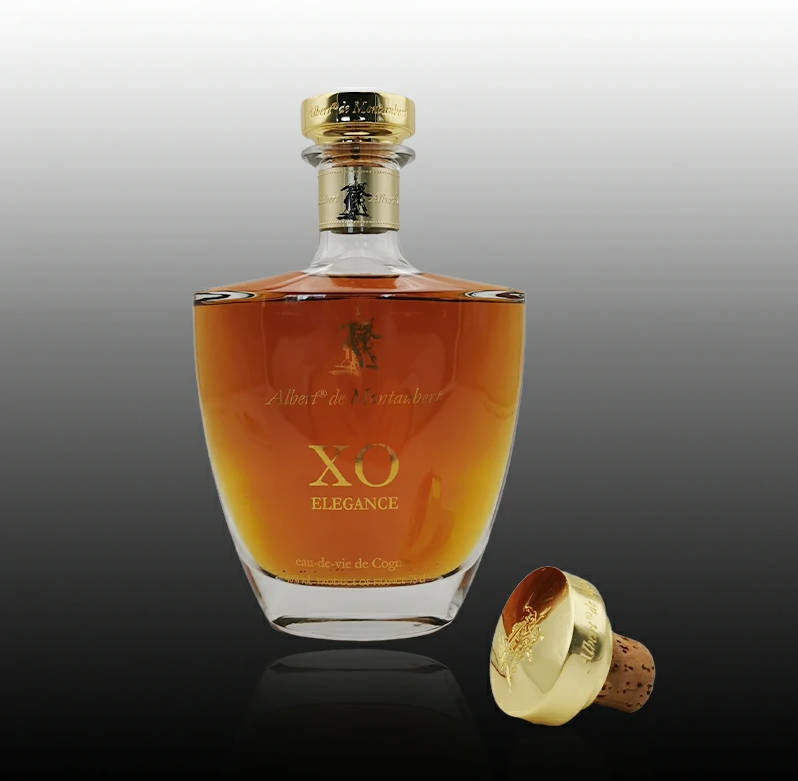
With sustainability becoming a core trend in global wine packaging, selecting appropriate wine bottle cap materials directly determines a brand’s carbon footprint and environmental responsibility. Different wine bottle cap materials bring distinct ecological impacts throughout production, usage and recycling stages. This article evaluates mainstream wine bottle cap materials, helping wineries choose eco‑friendly, high‑quality closure solutions.
Types of Wine Bottle Caps
Natural Corks
As a classic material for wine bottle stoppers, natural cork is derived from the bark of renewable cork oak trees, eliminating the need for logging. It is fully biodegradable and carbon-neutral, while also protecting forest biodiversity. Its biodegradable nature has a long history in winemaking. The production process involves harvesting the bark without harming the trees, which can live for over 200 years. This sustainable practice supports biodiversity and promotes local economies, particularly in the Mediterranean region.
Screw Caps
In recent years, screw caps have become increasingly popular due to their convenience and reliability. These seals, typically made of aluminum or plastic, form an airtight seal that prevents oxidation, thus ensuring the wine remains fresh. Aluminum and plastic are common materials for screw caps. While aluminum is infinitely recyclable, its smelting process consumes a significant amount of energy. Plastic screw caps are inexpensive but non-biodegradable, leading to long-term environmental pollution.
Therefore, the materials used in screw caps have raised environmental concerns, particularly regarding their recyclability and the energy consumption involved in their production.
Synthetic Corks
Synthetic corks are an alternative to traditional sealing materials. They are made from polymer plastics, such as polyethylene, and are designed to mimic the properties of natural cork while eliminating problems like cork taint. However, synthetic corks are generally less biodegradable than natural cork, and if not properly recycled, they can increase landfill waste.
While durable and free from cork taint, as a non-biodegradable material for wine bottle stoppers, they are difficult to recycle and easily become solid waste.
Zamac Wine Bottle Caps
Zamac zinc alloy stands out as a sustainable modern wine bottle cap material. With high recyclability, low‑waste die‑casting production and eco‑friendly surface treatment, it balances luxury appearance, sealing performance and environmental protection.
Environmental Impacts of Natural Corks
Sustainability of Cork Oak Forests
Cork oak forests play a vital role in maintaining biodiversity and combating climate change. These forests serve as habitats for various species and act as carbon sinks, absorbing significant amounts of CO2 from the atmosphere. Sustainable harvesting practices ensure that cork production does not lead to deforestation or habitat loss.
Biodegradability
Natural cork is fully biodegradable, breaking down over time without leaving harmful residues. When disposed of properly, cork can enrich soil health as it decomposes, making it an environmentally friendly option for wine bottle closures.
Challenges
Despite their benefits, natural corks face challenges such as overharvesting and climate change impacts on cork oak trees. As global temperatures rise, these trees may struggle to thrive, potentially affecting cork supply in the future.
Environmental Impacts of Screw Caps
Material Considerations
Screw caps are primarily made from aluminum or plastic, both of which have distinct environmental footprints. While aluminum can be recycled indefinitely, the energy required for its production is significant. Conversely, plastic screw caps often end up in landfills due to inadequate recycling programs.
Energy Consumption
The production of screw caps involves considerable energy consumption compared to natural corks. The process includes mining raw materials, manufacturing, and transportation—all contributing to greenhouse gas emissions.
Recyclability
Aluminum screw caps can be recycled; however, many consumers do not dispose of them properly. Education on recycling practices is essential to minimize their environmental impact. Some Wine Bottle Cap manufacturers are working on initiatives to improve recycling rates and promote sustainability within their supply chains.
Environmental Footprint
Overall, while screw caps offer practical advantages in terms of sealing and convenience, their environmental footprint must be considered. The choice between screw caps and natural corks should factor in both functionality and sustainability.
Environmental Impacts of Synthetic Corks
Material Composition
Synthetic corks are typically made from non-biodegradable plastics, which raises concerns about their long-term environmental impact. While they eliminate the risk of cork taint and provide a consistent seal, they do not decompose naturally like cork.
Durability vs. Degradability
Although synthetic corks can last longer than natural options when sealed on a bottle, they contribute to landfill waste if not recycled properly. Unlike natural corks that enrich soil upon decomposition, synthetic options do not offer similar ecological benefits.
Carbon Footprint
The production process for synthetic corks also involves significant energy use and carbon emissions. As consumers become more environmentally conscious, understanding the carbon footprint associated with different closure options is increasingly important.
Environmental Impacts of Each Wine Bottle Cap Material
Natural cork benefits ecological balance but faces resource risks; Aluminum screw caps are recyclable with high energy costs; Synthetic corks generate persistent waste; Zamac metal caps achieve circular utilization through recycling, minimizing environmental harm.
Innovations in Wine Bottle Cap Materials
As the wine industry continues to evolve, so do the materials used for wine bottle caps. Many Wine Bottle Cap manufacturers are exploring innovative solutions to reduce environmental impact while maintaining quality. Some of these innovations include:
Biodegradable Caps
Emerging technologies are leading to the development of biodegradable wine bottle caps made from natural materials such as plant-based polymers. These caps aim to provide a sustainable alternative that decomposes naturally, minimizing landfill waste and environmental harm.
Reusable Caps
Another innovation is the introduction of reusable caps designed for multiple uses. These caps can be cleaned and sterilized, making them an eco-friendly option for consumers who enjoy bulk wine purchases or home winemaking.
Improved Recycling Programs
Many manufacturers are also focusing on enhancing recycling programs for screw caps and synthetic corks. By partnering with recycling facilities and educating consumers about proper disposal methods, the industry aims to reduce the environmental footprint of these closures.
The choice of wine bottle cap materials has significant environmental implications that consumers should carefully consider when purchasing wine. Understanding these implications can help consumers make informed decisions that align with their sustainability values.
Consumer Awareness and Choices
For consumers who wish to make eco-friendly choices when purchasing wine, understanding packaging options is essential. Here are some recommendations:
Research brands: Look for producers that prioritize sustainable practices in their packaging.
Consider closure types: Decide whether you prefer biodegradable natural corks, or if you’re willing to choose screw caps or synthetic closures based on performance.
Support eco-friendly initiatives: Choose brands that participate in recycling programs or use innovative materials that reduce environmental impact.
By understanding the environmental impact of various wine closure materials, consumers can make choices that align with their values. Please let me know when you’d like me to continue! Of course, the following types of wine closure materials can provide consumers with a clearer introduction:
Natural Corks
Natural corks are renowned for their sustainability benefits. Sourced from the bark of cork oak trees, they are fully biodegradable and contribute positively to the environment. The harvesting process is sustainable; it allows the tree to continue growing and thriving, which supports biodiversity and acts as a carbon sink. Cork oak forests also provide habitats for various wildlife species and help maintain ecological balance. By choosing wines sealed with natural corks, consumers support a system that promotes environmental health and sustainability.
Screw Caps
Screw caps have gained popularity due to their convenience and effectiveness in preserving wine quality. They create an airtight seal that prevents oxidation, ensuring that the wine remains fresh for longer periods. However, the environmental impact of screw caps is multifaceted. Most screw caps are made from aluminum or plastic, both of which present recycling challenges. While aluminum can be recycled indefinitely, the energy required for its production is significant. Additionally, many consumers do not dispose of screw caps properly, leading to increased landfill waste.
As awareness grows around these issues, it becomes essential for consumers to consider brands that implement effective recycling programs for their screw caps. Supporting such initiatives can help mitigate the environmental footprint associated with this type of closure.
Synthetic Corks
Synthetic corks are designed to mimic the properties of natural cork while eliminating issues such as cork taint. Made from materials like polyethylene, these closures offer a consistent seal but pose environmental concerns due to their non-biodegradable nature. Unlike natural corks, synthetic options do not decompose naturally and can contribute to long-term landfill waste.
When considering synthetic corks, consumers should evaluate the brand’s commitment to sustainability and whether they have strategies in place for recycling or repurposing these closures.
Making Informed Choices
As consumers become increasingly aware of the environmental impacts associated with different wine bottle cap materials, they can make choices that align with their values regarding sustainability. Here are some actionable steps consumers can take:
- Research Brands: Look for wineries that prioritize sustainable practices in their packaging choices. Brands that use natural corks or innovative screw caps with recycling programs demonstrate a commitment to environmental responsibility.
- Evaluate Closure Types: Consider whether you prefer natural corks for their biodegradability or if you are open to using screw caps or synthetic closures based on their performance and environmental impact.
- Support Eco-Friendly Initiatives: Choose wines from producers who engage in eco-friendly practices, such as using recyclable materials or participating in reforestation projects related to cork oak forests.
GuanChengxin’s Commitment to Sustainability
At GuanChengxin, we recognize the importance of eco-friendly practices in packaging solutions. As a leading Wine Bottle Cap manufacturer, we are committed to providing high-quality Zamac Wine Bottle Caps that not only meet performance standards but also contribute to a more sustainable future.
Our manufacturing processes prioritize efficiency and sustainability:
- Mold Creation: We have an in-house mold-making facility that allows us to control quality and reduce lead times significantly.
- Die Casting Expertise: Our experience in Zamac die casting ensures stable quality while minimizing waste.
- Surface Finishing Options: We offer various surface treatments that enhance aesthetics without compromising environmental integrity.
By choosing products from environmentally conscious manufacturers like GuanChengxin, consumers can enjoy their favorite wines while supporting practices that promote sustainability and reduce ecological impact.
Conclusion
In conclusion, the choice of wine bottle cap materials significantly affects the environment. By understanding the benefits and challenges associated with natural corks, screw caps, and synthetic closures, consumers can make informed decisions that align with their values regarding sustainability. Supporting brands that prioritize eco-friendly practices not only enhances personal enjoyment of wine but also contributes positively to the planet’s health. Together, we can drive positive change within the industry by making responsible choices in our wine selections.